Creating a safe and enjoyable playground environment is every parent’s and school administrator’s goal. While equipment like slides, swings, and climbing structures are important, the surface beneath them plays a critical role in both safety and aesthetics. That’s where artificial grass steps in as a top choice. It combines functionality, durability, and visual appeal to transform any playground into a kid-friendly haven.
Why Artificial Grass is Ideal for Playgrounds
Artificial grass has become increasingly popular in playground design for several reasons. Unlike natural grass, it doesn’t wear down easily, turn muddy, or require constant maintenance. It provides a consistently safe surface that supports physical activity year-round.
Safety First: Soft Landing for Kids
Artificial grass is designed with safety in mind. Many varieties come with padded underlayers that help absorb the impact from falls. This makes it particularly ideal for areas beneath jungle gyms or monkey bars, where falls are more likely. It also eliminates the risk of splinters, uneven surfaces, or hard patches common in dirt or natural grass play areas.
Clean and Allergen-Free
Playgrounds with artificial grass are cleaner than those with traditional turf. It resists mud formation, and children are less likely to bring dirt indoors after play. Furthermore, artificial turf reduces exposure to allergens like pollen and grass clippings, making it a better choice for children with allergies or sensitivities.
Planning Your Playground Layout
Designing a playground involves more than just picking the right equipment. The layout must consider how kids play, move, and interact with their surroundings.
Zoning for Different Age Groups
If your playground will be used by children of different ages, consider creating zones with age-appropriate features. For toddlers, softer areas with smaller climbing structures and sensory activities work well. For older kids, more adventurous elements like rock walls or zip lines can be added, all supported by a durable artificial grass base that cushions movement.
Space for Free Play
Incorporate open spaces for running, imaginative games, and social interaction. Artificial grass works especially well in these areas, providing a soft and durable surface for soccer, tag, or even simple cartwheels. This kind of flexibility helps accommodate unstructured, creative play.
Choosing the Right Type of Artificial Grass
Not all artificial grass is created equal, especially when it comes to playgrounds. It’s essential to choose turf designed for heavy foot traffic and added cushioning.
Features to Look For
When shopping for artificial grass for playgrounds, prioritize products with the following:
- High durability and UV protection
- Shock-absorbing padding underneath
- Non-toxic and lead-free materials
- Drainage systems to prevent water pooling
These features ensure that the grass remains safe, clean, and attractive over time.
Color and Texture Considerations
Artificial grass comes in different shades of green and textures. Choosing a product that closely resembles natural grass adds to the visual appeal. Some designers even mix in different colors to create fun patterns, pathways, or themed zones that guide children as they play.
Low Maintenance, High Fun
One of the biggest advantages of using artificial grass in playgrounds is how little maintenance it requires. You won’t need to mow, water, or fertilize. Occasional rinsing and brushing are enough to keep the turf looking fresh.
Cost Efficiency Over Time
Although the upfront installation cost of artificial grass may be higher than laying sod, the long-term savings are significant. Lower water bills, no need for chemical treatments, and minimal upkeep costs mean the turf pays for itself over time. Plus, it remains visually appealing with minimal effort.
Final Touches: Blending Function with Fun
A well-designed playground isn’t just about safety and maintenance—it should spark joy and imagination.
Add Colorful Play Equipment
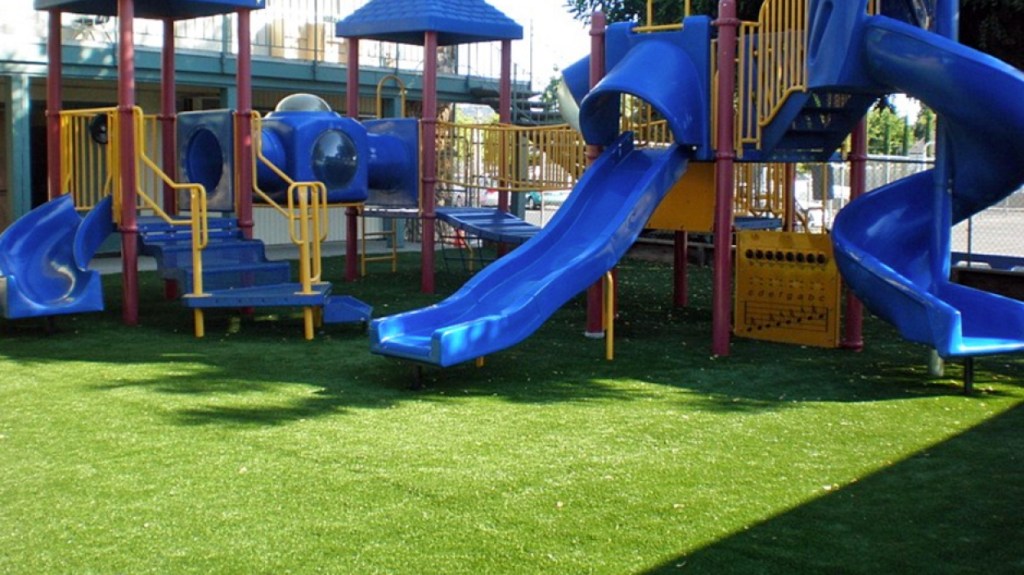
Bright and colorful play structures contrast beautifully with the lush green turf, creating an inviting space for kids. Whether it’s a slide, see-saw, or climbing net, the combination of artificial grass and vibrant equipment enhances the playground’s overall appeal.
Include Shaded Areas
To protect children from sun exposure during warmer months, include shaded areas with trees, canopies, or pergolas. Artificial grass stays cooler than rubber surfaces, especially when shaded, making playtime more comfortable.
Conclusion
Designing the perfect playground with artificial grass means creating a space that’s safe, clean, visually appealing, and easy to maintain. By thoughtfully planning the layout, selecting the right materials, and adding creative play zones, you can build a playground that children will love and parents will trust. Whether you’re working on a school, daycare, or neighborhood park, artificial grass is a smart foundation for fun and safety.
 Lawn Lift